
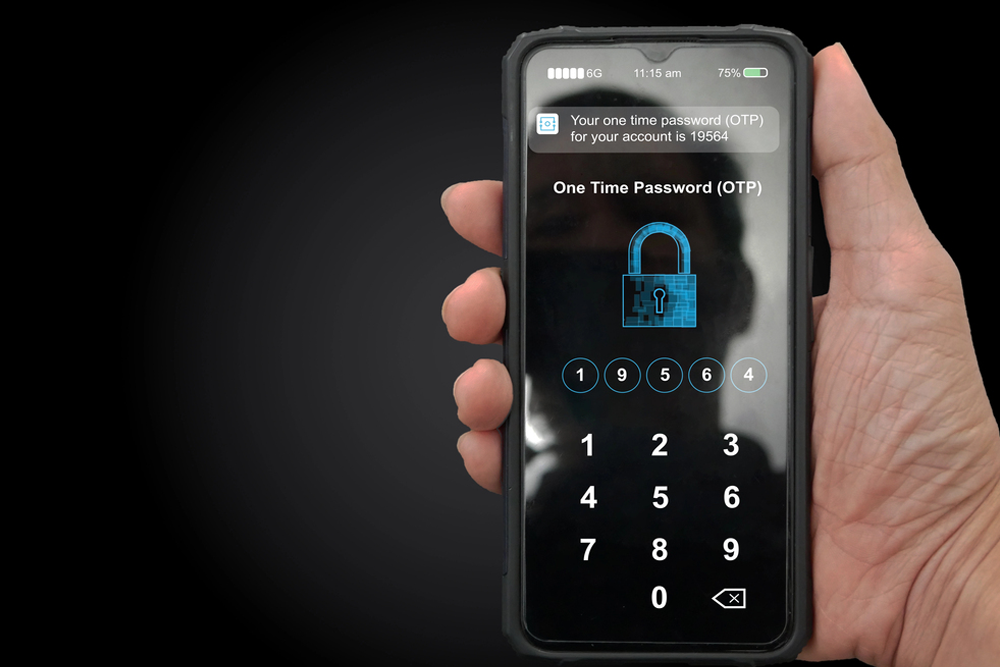

One-time passwords play a major role in modern authentication flows. From banking platforms to SaaS dashboards, OTP-based verification adds a time-bound layer of protection beyond static passwords. However, the reliability of this layer depends on how thoroughly it is tested.
OTP testing goes far beyond confirming that a six-digit code works. It involves validating timing, delivery behavior, retry controls, and attack resistance.
Global Telecom Testing (GTT) offers real-world OTP testing services with live testers across more than 200 countries, validating delivery, timing, expiry, security behavior, and user experience for one-time passwords on SMS, email, and other channels.
OTP Generation Logic
Testing begins with how the OTP is created. The code must follow the defined format, such as six numeric digits or alphanumeric characters. Length validation is the first checkpoint, but randomness is equally important.
Repeated OTP requests should not generate predictable sequences. Test multiple rapid requests to confirm the system does not produce patterns or duplicate values. Logging should capture generation events for audit purposes, but no log should store the actual OTP in plain text.
Edge behavior also matters. For example, requesting a new OTP should invalidate the previous one. Systems that allow multiple active codes increase risk exposure.
Expiry and Time-Based Validation
Every OTP must have a defined expiration window. Common time limits range from 30 seconds to five minutes. Testing should confirm that expired codes are rejected consistently and that the user receives a clear but non-revealing message.
Simulate delays in SMS or email delivery to observe system behavior when a code arrives close to expiration. Time-based OTP implementations must also handle clock drift between client and server. Even small time gaps can cause valid codes to fail or invalid ones to pass.
It is also important to verify that expiration applies equally across all authentication paths, including login, password reset, and transaction approval flows.
Attempt Limits and Brute-Force Protection
Brute-force attacks remain a common threat to OTP systems. Testing should verify maximum retry limits per code. After a defined number of failed attempts, the system should block further submissions or require a new OTP.
Rate limiting must also apply to OTP generation requests. Excessive requests in a short period should trigger throttling. This prevents attackers from flooding users with messages or attempting repeated guessing attacks.
Lockout behavior should be validated carefully. After a successful login, retry counters must reset properly. Account lockouts must not expose internal logic through detailed error responses.
Replay Attack Prevention
An OTP should work only once. After successful validation, it must be invalidated immediately. Testing should confirm that reused codes fail across sessions and devices.
Parallel submission tests are also valuable. Attempt to validate the same OTP at nearly the same time from two sessions. Proper backend handling should accept only one request and reject the other.
Replay prevention must apply consistently across all workflows, including transaction confirmations and profile updates.
Delivery Channel Scenarios
OTP systems often rely on SMS, email, authenticator apps, or push notifications. Each channel introduces unique testing conditions.
For SMS and email, validate formatting, masking of personal data, and failure handling. The system should respond appropriately if delivery fails or if the contact detail is invalid.
Authenticator app flows require testing of QR code provisioning, secret key handling, and time synchronization. Push-based flows should be tested under offline conditions and delayed approval responses.
Session Handling and Device Recognition
After successful OTP validation, the system should generate a secure session token. Testing must confirm that unauthorized sessions are not retained and that policy-based session invalidation works correctly.
Device recognition logic should also be verified. Logging in from a new browser, private window, or unfamiliar location should trigger the expected authentication flow. If device binding is implemented, OTP prompts must appear only when required.
Input Validation and Error Handling
Input-related edge cases often expose weaknesses. Test blank fields, special characters, extra spaces, and auto-filled entries. The system should sanitize input and respond with generic error messages.
Network instability and server interruptions should also be simulated. If a failure occurs between OTP generation and validation, the authentication state must remain consistent. Users should be able to request a new code without being locked into an invalid session.
High-Accuracy OTP Testing Services Across Global Carriers
At Global Telecom Testing, we bring over 20 years of global testing experience to your authentication systems. With more than 800 local testers across 200+ countries, we validate one-time password delivery and behavior in real-world network conditions that automated checks alone cannot replicate.
Our OTP testing services cover delivery accuracy across carriers, timing and expiration behavior, resistance to replay and brute-force attempts, and validation across SMS, voice, and email channels. This gives you confidence that your authentication flows behave as expected anywhere in the world.
Partner with us to uncover hidden issues, improve user trust, and strengthen your authentication performance globally. Reach out to learn how we can support your OTP systems today.