
Quick Summary
Colocation offers greater control, predictable costs, and support for specialized telecom hardware, while hyperscale platforms provide rapid scalability and reduced infrastructure management. The best choice depends on operational requirements, growth plans, and the level of control an enterprise needs over its telecom environment.
Growing enterprises face a recurring infrastructure question: where should your telecom equipment live, and who should be responsible for it? The colocation vs. hyperscale debate sits at the center of that question.
Both models offer a way to house and run infrastructure without building your own facilities from the ground up, but they serve different priorities, budgets, and operational styles. Understanding the differences helps businesses make decisions that hold up as they grow.
What Is Colocation?
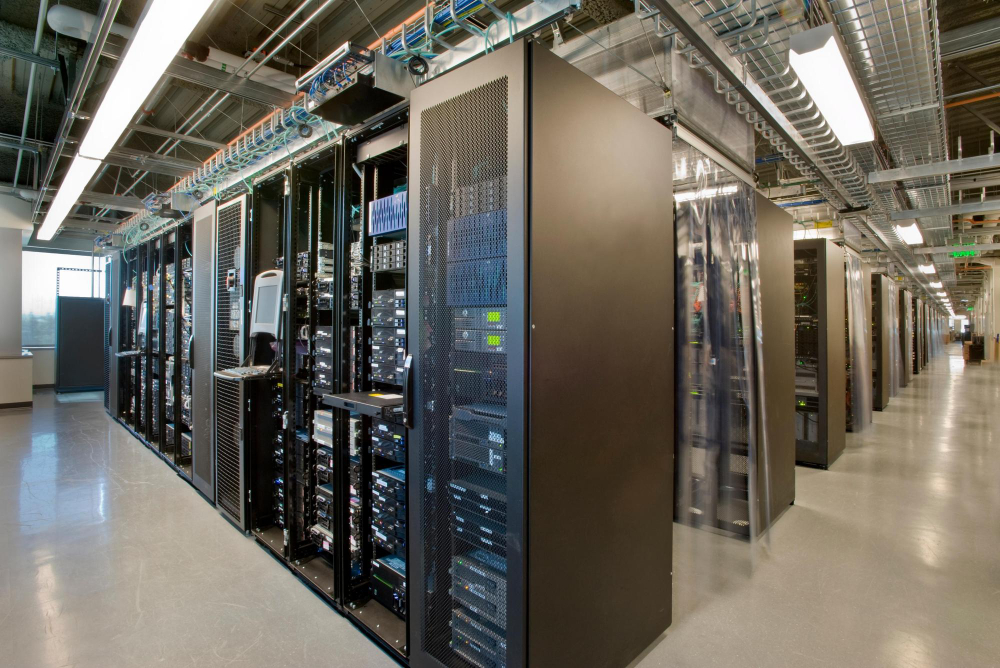
Colocation, often called “colo,” refers to housing your own physical telecom or IT equipment with a trusted in-country hosting provider rather than maintaining it at your own facility. For Global Telecom Testing, this means equipment is securely hosted by trusted in-country staff in secure local hosting environments rather than traditional commercial data centers, giving businesses authentic access to local mobile networks without the cost and complexity of establishing their own presence. You own the hardware. You retain control over how it is configured and managed. The hosting provider supplies secure local hosting, power, internet connectivity, local mobile network access, and hands-on in-country support.
For telecom-focused enterprises, this model has long been appealing because it keeps equipment close to local networks while reducing the overhead of building and maintaining dedicated facilities. It works particularly well when a business needs in-country presence, wants control over its own hardware, and prefers to avoid long-term commitments tied to a single vendor’s ecosystem.
What makes colocation attractive for growing businesses is the combination of physical access and operational ownership. With GTT’s local hosting model, in-country staff can interact directly with the equipment, perform maintenance, reboot devices, replace SIM cards, and troubleshoot issues without requiring your team to travel internationally.
What Is Hyperscale Infrastructure?
Hyperscale refers to the large-scale cloud and data center infrastructure operated by major providers like AWS, Google Cloud, and Microsoft Azure. These platforms are designed for massive, elastic workloads and are built to scale automatically based on demand.
Hyperscale environments abstract away the physical layer entirely. You are not managing hardware. You are consuming compute, storage, and network resources through a software interface, paying for what you use. The provider handles everything below the application layer.
For enterprises with fluctuating workloads, global software deployments, or a preference for reducing internal IT complexity, hyperscale can feel like a natural fit. But that abstraction comes with trade-offs, particularly around control, latency in specific geographies, and cost predictability at scale.
Cost Structure: Predictability Vs. Flexibility
One of the clearest differences between the two models is how costs behave over time.
Colocation typically involves more predictable monthly costs. With GTT’s model, businesses pay for secure local equipment hosting and support rather than maintaining their own international infrastructure. Because you own the hardware, there are upfront equipment costs, but ongoing fees tend to remain stable.
Hyperscale pricing is consumption-based, which can work in your favor when workloads are sporadic or seasonal. However, as usage grows, costs can rise quickly and unpredictably. Many enterprises that migrate heavily to hyperscale platforms find that cloud bills become one of their largest operational expenses within a few years.
For telecom-specific use cases, such as housing SIM banks, signal equipment, or testing hardware, colocation often proves more cost-effective over the medium to long term. The steady nature of telecom workloads simply does not demand the elastic pricing model that hyperscale was designed around.
Control and Customization
With colocation, you configure your own hardware, set your own network policies, and manage your own access protocols. If something goes wrong, your team can physically intervene. This level of hands-on access matters enormously in telecom environments where signal integrity, local SIM behavior, and call routing depend on how equipment is physically set up and maintained.
Hyperscale platforms offer little in the way of physical control. You work within the provider’s defined environment, using the tools and configurations they allow. That is by design. The model prioritizes scale and ease of management over granularity. For general application hosting, this is acceptable. For telecom hardware requiring physical interaction, it creates real limitations.
Customization follows the same pattern. Colocation allows teams to install specific hardware, configure network interfaces precisely, and adapt the setup to local telecom requirements. Hyperscale environments are standardized by necessity, which limits what you can do at the infrastructure level.
Geographic Reach and Local Presence
For enterprises that need genuine in-country presence, particularly for telecom testing, local number validation, or SMS delivery verification, the geographic dimension matters considerably.
Hyperscale providers have data centers in major regions, but their footprint does not extend to every country where a business may need local signal testing or in-country connectivity. A server hosted in a regional hyperscale hub does not replicate what a physical device operating on a local mobile network in that country can do.
GTT’s colocation model securely hosts equipment directly with trusted in-country staff, creating a genuine local presence without relying on traditional commercial data centers. This is particularly valuable for global roaming testing, phone number testing, and IVR platform validation across diverse markets. Equipment hosted by local staff, who understand the country’s network environment and can provide hands-on assistance when required, produces results that centralized cloud infrastructure simply cannot replicate.
Scalability: Who Has the Advantage?
Hyperscale wins on raw scalability. If your enterprise needs to rapidly increase compute capacity, spin up resources in multiple regions simultaneously, or support unpredictable demand spikes, hyperscale is built for exactly that. The infrastructure expands on demand, with no lead time for hardware procurement.
Colocation scales more deliberately. Adding capacity means sourcing and installing new equipment, shipping it to the appropriate in-country host, and completing installation. That process takes more time.
However, for telecom infrastructure specifically, this slower scaling pace is rarely a problem. Telecom equipment hosting requirements tend to be relatively stable. Growth happens in defined steps rather than sudden surges. Because GTT has a network of trusted local hosts in more than 200 countries, expanding into new markets is straightforward without requiring customers to secure facilities or recruit local personnel themselves.
Security and Compliance
Both models offer strong security, but in different ways. With GTT’s colocation model, your equipment remains dedicated to your organization while being securely hosted by trusted in-country staff. This gives you hands-on local support without relying on shared commercial data center infrastructure.
Hyperscale platforms invest heavily in logical security, certifications, and compliance frameworks. However, because the physical infrastructure is shared and managed entirely by the provider, some regulatory environments may require that sensitive equipment and data remain under direct organizational control. This is especially true in telecom environments subject to local telecommunications law.
Your Infrastructure Deserves Hands-On, In-Country Support
For enterprises that need reliable in-country telecom infrastructure support across a wide footprint, Global Telecom Testing offers a model that combines the control benefits of colocation with genuine local expertise. With more than 800 in-country staff across 200+ countries, GTT securely hosts and manages customer telecom equipment with trusted local staff, providing hands-on support that remote data centers cannot offer.
We support phone number testing, IVR validation, SMS verification, roaming checks, and local equipment hosting with no long-term contractual commitments. Services are available on a pay-as-you-go basis or through SLA-based monthly arrangements. If your enterprise needs real in-country presence and hands-on telecom infrastructure support, GTT is built for exactly that.
FAQs
Can colocation and hyperscale be used together?
Yes. Many enterprises use a hybrid approach, running general application workloads on hyperscale platforms while housing specialized telecom hardware in colocation environments. The two models are not mutually exclusive, and combining them can give you flexibility where you need it and control where it matters most.
How do I know if colocation is right for my telecom equipment?
If your equipment requires physical interaction, local network connectivity, or in-country signal access, colocation is typically the better fit. Telecom hardware that depends on local SIM cards, specific call routing, or regional network behavior benefits from being securely hosted by trusted local staff within the country where testing takes place, allowing for fast hands-on support whenever needed.
Does GTT offer colocation services outside of major cities?
GTT’s in-country hosting model is not limited to major metropolitan areas. With staff in 200+ countries, GTT can support equipment hosting in markets that fall well outside standard data center footprints, including locations where hyperscale providers have no local infrastructure at all.