

Quick Summary
Colocation is only as dependable as the environment where equipment is hosted, making power stability, internet connectivity, and day-to-day local support important factors when evaluating a provider. For distributed colocation models, equipment may operate from existing local spaces rather than traditional data centers, so businesses should ask how power and Wi-Fi connectivity are maintained and what happens when an issue occurs.
Every colocation provider claims some version of a sustainability story these days, and most of those claims stop at a single line on a website: renewable energy, efficient cooling, a green data center. Those phrases sound reassuring, but they rarely come with the underlying numbers that would let a customer check them. For telecom equipment, however, sustainability is only one part of the evaluation. The stability of the power and internet connection supporting the equipment can directly affect testing, monitoring, and network-dependent operations.
A distributed colocation model needs to be evaluated differently from a traditional data center. When equipment is hosted in local staff homes, the key questions include how reliably the location maintains power, how stable its internet connection is, and how quickly someone local can respond when connectivity or equipment issues arise.
What Sustainable Colocation Means
Sustainable colocation covers more than the electricity mix powering a facility. It also involves understanding the practical resources and infrastructure already available at the location where equipment operates, including the power and internet connectivity supporting that equipment.
A provider that talks about renewable energy but runs a facility built for maximum server density, with cooling systems sized for a load far larger than its typical use, is solving one part of the sustainability question while leaving the rest untouched. For a distributed model, the evaluation shifts toward whether existing spaces can reliably support the equipment without requiring the extensive facility infrastructure associated with a centralized data center.
Power stability becomes particularly important for telecom testing equipment. Equipment that loses power can stop testing activity, interrupt connectivity, or require someone to restart and troubleshoot the hardware. A provider should therefore be able to explain how equipment is powered at each local hosting site and what local support is available if a power issue occurs.
Energy Use Is the Biggest Factor, and the Hardest to Verify
Power usage effectiveness (PUE) is the standard metric colocation hosting providers use to describe efficiency, comparing total facility energy against the energy going directly to computing equipment. A lower number signals less energy lost to cooling, lighting, and overhead.
For a distributed colocation model hosted in local staff homes, PUE is not necessarily the most useful way to evaluate the setup because the equipment is not operating inside a dedicated data center. Instead, businesses should understand how the equipment receives power, how much additional infrastructure is required to operate it, and how local staff respond when power or connectivity problems arise.
Internet stability deserves the same attention. Telecom equipment needs a dependable connection for many remote testing and management activities, so asking how the local internet connection is maintained and how connectivity problems are handled can reveal more about operational reliability than a broad infrastructure efficiency figure.
Why Traditional Data Centers Carry a Heavy Footprint by Design
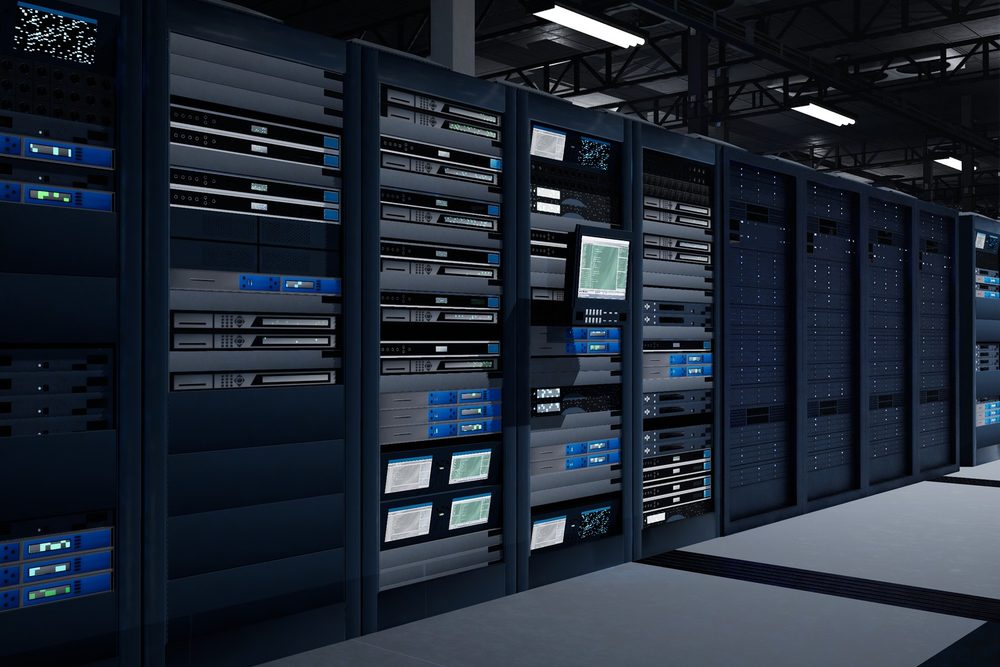
Large, centralized data centers are built for one purpose: packing as much computing power as possible into a single site. That density brings real advantages for certain workloads, but it also demands industrial-scale cooling, redundant power systems, and constant climate control to keep thousands of servers from overheating in a shared space.
All of that infrastructure runs continuously, regardless of how much of the facility’s total capacity a given customer is using at any given time. A rack running at half capacity still sits inside a building cooled and powered for full capacity, which means the resource cost of underuse gets absorbed by the facility rather than avoided.
GTT’s model is different because telecom equipment is hosted by trusted in-country staff in local hosting environments rather than traditional commercial data centers. This means the reliability discussion is less about maintaining a massive centralized facility and more about the specific local environment supporting the customer’s equipment, including power, internet connectivity, and hands-on access.
Questions to Ask Before You Choose a Provider
A short list worth running through before signing a contract:
- How is equipment physically housed, and does the location have stable power for the equipment’s operating requirements?
- What type of internet connection supports the equipment, and how is Wi-Fi or other connectivity maintained when problems occur?
- Who is responsible for checking the equipment if power or internet connectivity is interrupted?
- How quickly can someone physically access the equipment when a connectivity or power issue requires hands-on attention?
- Does the provider’s model rely on one large facility, or a distributed setup spread across smaller sites?
These questions are especially important when telecom equipment is hosted outside a traditional data center. A distributed colocation model places greater emphasis on the individual hosting environment and the local person responsible for the equipment.
A Distributed Model Changes the Sustainability Math
Not every colocation provider runs a traditional data center. Some house equipment in smaller, existing local environments instead of purpose-built facilities, which changes the resource picture considerably. Rather than maintaining a dedicated facility around the clock, a distributed model can place equipment inside existing spaces that already have power and internet connectivity.
That setup also changes how reliability is managed. Instead of relying entirely on centralized facility infrastructure, the provider can use local staff to monitor equipment, troubleshoot issues, and physically intervene when necessary. For telecom applications, that hands-on capability can be particularly important when a device needs to be restarted, a SIM needs to be replaced, or a local connectivity issue needs investigation.
The result is a model where power and internet stability remain practical considerations at the individual hosting site, while local staff provide a direct point of response when something goes wrong.
How GTT Approaches Colocation
At Global Telecom Testing, our colocation model works differently by design. Equipment is hosted in local staff homes and offices around the world, not large, centralized data centers. Each local hosting environment has power and internet connectivity available for the hosted equipment, while trusted in-country staff remain available for hands-on assistance when equipment or connectivity issues require attention.
Our local staff also handle equipment setup, troubleshooting, and SIM sourcing directly, so a customer’s hardware can be managed locally without requiring the customer to maintain a physical presence in that country. Local hands-on support also means power, internet connectivity, and equipment issues can be investigated by someone who can physically access the hardware rather than relying solely on remote troubleshooting.
For businesses evaluating colocation for telecom testing, the question is not simply how much infrastructure a provider operates. It is also how reliably the equipment can stay powered and connected at the local hosting site, and how quickly a knowledgeable person can respond when an issue occurs.
If sustainability plays into how you’re evaluating a colocation provider, we’d welcome a conversation about how a distributed model like ours compares to a traditional one. Get in touch with us today.
FAQs
What makes a colocation provider "sustainable"?
A sustainable colocation provider does more than mention renewable energy. The physical hosting model, power requirements, internet connectivity, and infrastructure needed to keep equipment operational all matter.
How important is power stability for telecom colocation?
Power stability is important because telecom equipment depends on continuous operation for testing and connectivity. A provider should explain how equipment is powered and how local staff respond when power problems occur.
How important is Wi-Fi or internet stability for colocation equipment?
Stable internet connectivity is important for remote access, testing, monitoring, and other network-dependent activities. Ask how connectivity is maintained and what happens when the local connection experiences an interruption.
What questions should I ask a colocation provider about sustainability and reliability?
Ask how equipment is powered, what internet connection supports it, how connectivity interruptions are handled, and whether local staff can physically access and troubleshoot equipment when needed.